Mastering Pike Systems: Choosing the Right Lure for Every Situation

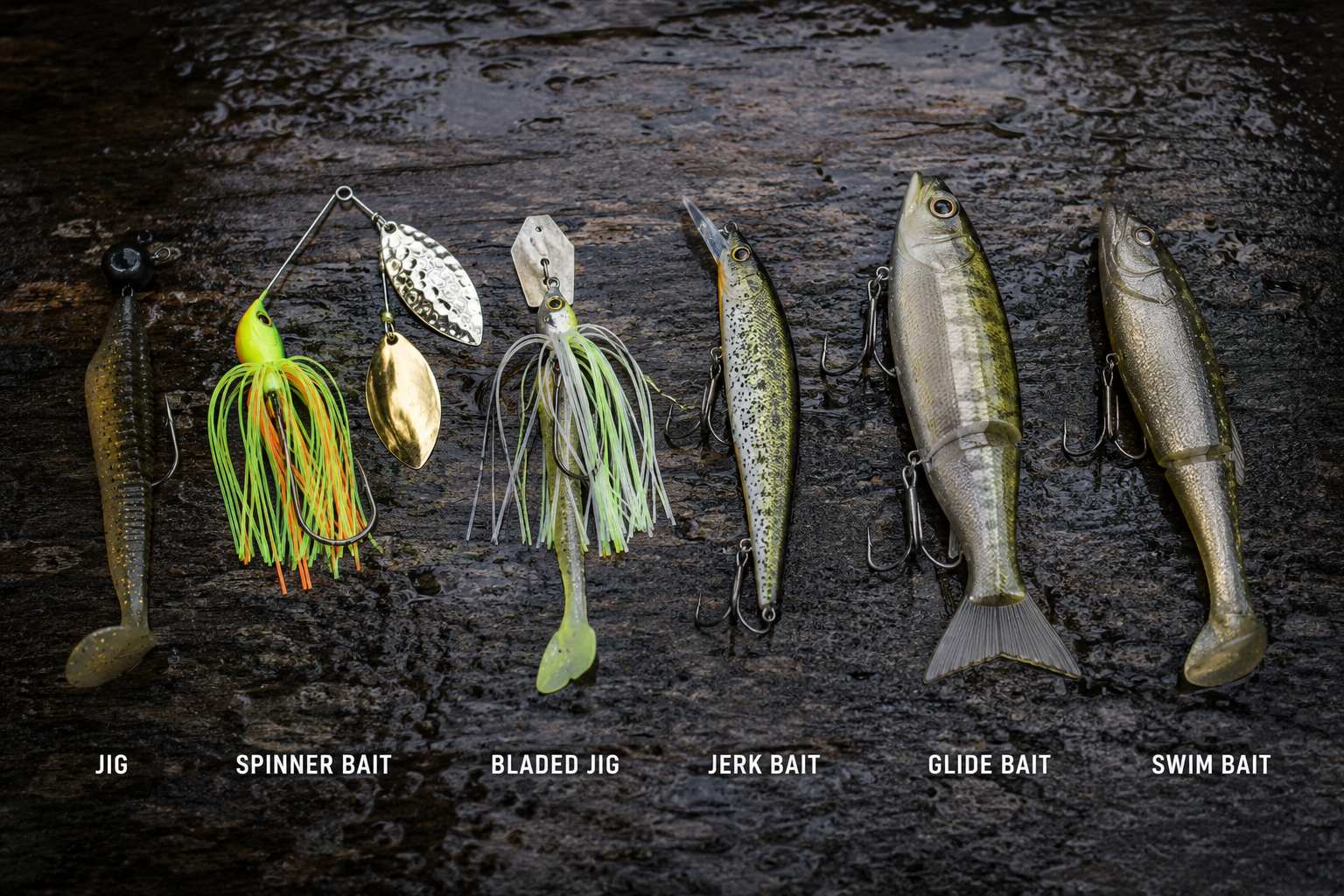
Few freshwater predators are as aggressive, explosive, and addictive to target as the northern pike. Whether you’re fishing shallow weed beds in spring or hunting giant fish in deeper water during autumn, success often comes down to choosing the right system for the conditions.
Modern pike anglers rely on several proven lure systems, each designed to trigger strikes in different ways. Understanding when and how to use them can dramatically improve your catch rate during competitions and recreational sessions alike.
Here’s a breakdown of the most effective pike systems every angler should know.
Jig Systems
Jigs are among the most versatile tools in pike fishing. A jig system usually consists of a weighted jig head paired with a soft plastic lure such as a paddle tail, shad, or creature bait.
When to Use
Cold water conditions
Deep structure
Vertical presentations
Pressured fish
Why It Works
The jig allows anglers to precisely control depth and retrieve speed. Pike often strike during the drop, making the pause just as important as the retrieve itself.
Best Techniques
Slow hopping along the bottom
Lift-and-drop retrieves
Vertical jigging near drop-offs
Weed edge presentations
Pro Tip
Use larger soft plastics during autumn when pike are feeding heavily before winter.
Spinner Baits
Spinner baits are classic reaction lures that excel in shallow cover. Their wire frame and spinning blades create vibration and flash while remaining relatively weedless.
When to Use
Heavy vegetation
Murky water
Windy conditions
Active fish
Why It Works
The vibration helps pike locate the lure even in low visibility. The upward-running design allows anglers to fish through weeds where large predators often ambush prey.
Best Techniques
Slow rolling over weed tops
Burning retrieves for reaction strikes
Stop-and-go retrieves near cover
Pro Tip
Double willow blades create more flash, while Colorado blades provide stronger vibration in dirty water.
Bladed Jigs (Chatterbaits)
Bladed jigs combine elements of jigs and spinner baits. A vibrating blade mounted in front of the jig head creates aggressive movement and strong underwater vibration.
When to Use
Stained water
Mid-depth weed lines
Aggressive feeding periods
Tournament searching patterns
Why It Works
Bladed jigs produce an erratic hunting action that often triggers violent reaction bites from pike.
Best Techniques
Steady retrieve with occasional pauses
Rip through grass presentations
Medium-speed retrieves around structure
Pro Tip
Trailer choice matters. Paddle tails increase vibration, while straight tails create a subtler action.
Jerk Baits
Jerk baits imitate injured baitfish with sharp side-to-side movements. They can be hard-bodied floating, suspending, or sinking lures.
When to Use
Clear water
Cool water temperatures
Suspended fish
Sight-fishing situations
Why It Works
The erratic darting motion closely resembles wounded prey, making it difficult for pike to resist.
Best Techniques
Twitch-pause-twitch cadence
Long pauses in cold water
Aggressive jerks during warm conditions
Pro Tip
Suspending jerk baits are deadly when pike are following but not committing.
Glide Baits
Glide baits are large-profile hard baits designed to move in wide sweeping motions from side to side. They are a favorite among trophy pike anglers.
When to Use
Targeting big fish
Clear water
Low fishing pressure
Trophy hunting conditions
Why It Works
Large pike prefer big meals. Glide baits imitate wounded or cruising baitfish and allow anglers to present oversized targets naturally.
Best Techniques
Slow sweeping retrieves
Wide S-curve presentations
Figure-eight boatside maneuvers
Pro Tip
Never end the retrieve too early. Many trophy pike strike right beside the boat.
Swim Baits
Swim baits are designed to mimic natural swimming baitfish. They come in both soft and hard-bodied versions.
When to Use
Open water
Following bait schools
Covering water quickly
Natural presentations
Why It Works
Swim baits provide realistic movement and profile, making them highly effective for pressured fish.
Best Techniques
Steady retrieves
Slow rolling near bottom structure
Mid-water column presentations
Fast retrieves during feeding windows
Pro Tip
Match lure size to local forage for more consistent results.
Choosing the Right Pike System
Every pike system has strengths depending on water clarity, temperature, depth, and fish activity.
System | Best Conditions | Key Strength
Jig | Deep & cold water | Precision
Spinner Bait | Weeds & dirty water | Vibration & weedless design
Bladed Jig | Active fish & stained water | Aggressive reaction strikes
Jerk Bait | Clear water | Erratic injured baitfish action
Glide Bait | Trophy hunting | Large-profile presentation
Swim Bait | Natural feeding situations | Realistic movement
Final Thoughts
Successful pike anglers rarely rely on a single lure style. Conditions change throughout the day, and adapting your system can make the difference between an average outing and a winning competition performance.
Keep multiple systems rigged and ready. Experiment with retrieve speeds, pauses, and lure sizes until the fish reveal their preference. The more versatile your approach, the more consistently you’ll put big pike in the net.
Comments(4)

Nice breakdown 👏 understanding when to use each system can really improve consistency on the water. Great tips here.

Really enjoyed this read. The breakdown of each pike system and when to use them was simple, practical, and very helpful for both beginners and experienced anglers. Great tips throughout.

Waw... indeed educating
It's well explained with best structures that enable the reader to understand the content very well. Well educative.
Sign in to leave a comment.