Finesse Perch Fishing

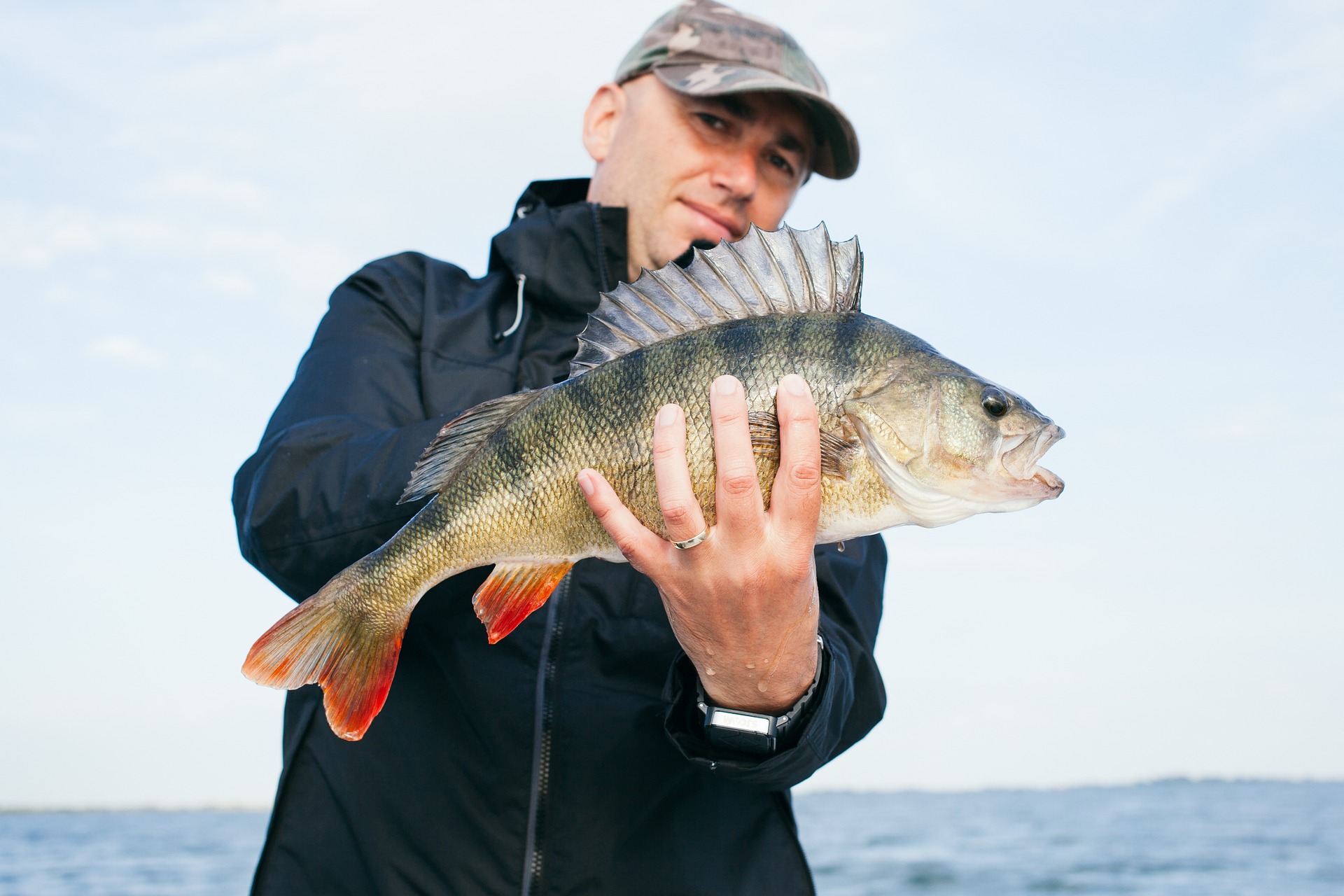
The Ultimate Guide to Catching More Perch with Light Tackle
Perch fishing has evolved dramatically in recent years. While traditional spinners and crankbaits still work, many anglers across Europe are now turning to finesse fishing techniques to catch more and bigger perch.
Finesse fishing focuses on small lures, light line, and subtle presentations that imitate natural prey. These methods are especially effective in clear water, during cold seasons, or on heavily pressured fisheries where fish have become cautious.
If you’re targeting the iconic European perch, mastering finesse techniques can dramatically increase your catch rate.
In this guide, you’ll learn:
The best finesse rigs for perch
When and where to use them
Recommended tackle setups
Pro tips to catch more perch year-round
Why Finesse Fishing Works So Well for Perch
Perch are opportunistic predators that primarily feed on:
small baitfish
aquatic insects
crustaceans
fish fry
Because much of their natural prey is small, downsizing your presentation often matches their feeding behavior perfectly.
Finesse techniques offer several advantages:
More natural lure action
Small lures move realistically and trigger cautious fish.
Longer time in the strike zone
Slow presentations keep the bait where perch are feeding.
Better results in pressured waters
When fish have seen large lures repeatedly, finesse rigs still look natural.
Best Finesse Techniques for Perch Fishing
Below are four of the most effective finesse methods used by perch anglers throughout Europe.
1. Drop Shot Rig for Perch
The drop shot rig is one of the most productive finesse rigs ever developed. It allows your lure to hover just above the bottom while the weight stays anchored below.
Why It Works
Perch often feed slightly off the bottom. The drop shot keeps your bait directly in their strike zone, making it irresistible.
Recommended Setup
Rod:
Ultra-light or light spinning rod (1–7 g or 2–10 g)
Line:
0.06–0.10 mm braid
0.18–0.22 mm fluorocarbon leader
Hook:
Size #4–#8 drop-shot hook
Weight:
5–15 g drop-shot sinker
Lure:
small shads
soft worms
micro creature baits
How to Fish It
Cast and let the weight hit bottom.
Keep the line tight.
Gently shake the rod tip without moving the weight too much.
This makes the lure twitch naturally while staying in place — a deadly presentation for cautious perch.
2. Ned Rig for Perch
The Ned rig has exploded in popularity among finesse anglers because of its incredible simplicity and effectiveness.
It consists of a small stickbait mounted on a mushroom jig head.
Why Perch Love the Ned Rig
The lure stands upright on the bottom, imitating:
small fish feeding
aquatic insects
tiny crustaceans
This subtle posture often triggers curious perch.
Recommended Setup
Jig head:
1–5 g mushroom jig
Lure size:
5–7 cm soft stickbait
Rod:
Ultra-light spinning rod
How to Retrieve
Use a slow drag and pause technique:
Cast out.
Let the lure reach the bottom.
Slowly drag it a few centimeters.
Pause for several seconds.
Many bites happen during the pause.
3. Micro Jigging for Perch
Micro jigging is one of the most versatile finesse techniques for perch fishing in lakes, canals, and rivers.
It uses tiny jig heads paired with miniature soft plastics.
Why It Works
Perch often hunt in schools and target small prey. Micro jigs perfectly mimic:
baby fish
insect larvae
shrimp
Recommended Setup
Jig head:
1–3 g
Soft plastic:
3–5 cm paddle tail or grub
Line:
Thin braid for sensitivity
Best Retrieve Styles
Try these three methods:
Lift and drop
Small rod lifts followed by letting the jig fall.
Bottom hopping
Tiny hops along the bottom.
Slow swimming
Steady retrieve just above the bottom.
Micro jigging is also an excellent way to locate schools of perch quickly.
4. Finesse Carolina Rig
A scaled-down Carolina rig can be incredibly effective when fishing deeper areas or covering large areas of water.
How the Rig Works
A sliding weight moves along the main line while the lure trails behind on a leader. This creates a very natural presentation.
Setup
Weight:
5–10 g bullet sinker
Leader:
30–60 cm fluorocarbon
Hook:
Small offset hook
Soft plastic:
Small shad or worm
Best Situations
This finesse rig works particularly well on:
sandy bottoms
deep flats
drop-offs
gravel areas
Best Tackle for Finesse Perch Fishing
Choosing the right gear is critical for finesse fishing success.
Rod
Look for rods with:
ultra-light or light power
sensitive tips
casting weight around 1–10 g
These rods help detect subtle bites.
Reel
A 1000–2500 size spinning reel is ideal for finesse setups.
Line
Most perch anglers use:
Main line:
0.06–0.10 mm braid
Leader:
0.18–0.22 mm fluorocarbon
This combination provides excellent sensitivity and invisibility underwater.
Where to Find Perch
Knowing where to fish is just as important as choosing the right rig.
Look for perch around:
weed edges
drop-offs
harbors and marinas
bridges
submerged trees
rocky structures
Perch often gather in schools, so catching one fish usually means more are nearby.
Pro Tips for Catching More Perch
Fish slowly
Finesse techniques work best with subtle movements.
Downsize when fishing pressure is high
Smaller lures often outperform larger ones in busy waters.
Watch your line
Perch bites can be extremely subtle — sometimes the line simply moves slightly.
Change colors
Natural colors like:
motor oil
green pumpkin
brown
silver baitfish
often produce the best results.
Final Thoughts
Finesse techniques have transformed modern perch fishing. By using light tackle, small lures, and subtle presentations, anglers can consistently catch perch even in challenging conditions.
Whether you’re drop-shotting deep structure, dragging a Ned rig along the bottom, or micro jigging around harbor walls, finesse fishing gives you a powerful advantage.
Master these techniques, and you’ll quickly discover why finesse anglers catch more perch — and often bigger ones.
Comments(1)

Really enjoyed reading this. The way the finesse techniques were explained made everything easy to understand, especially the drop shot section. I’ve been trying lighter setups lately and this gave me a few new ideas to test on the water. Nice work! — Markus
Sign in to leave a comment.