The Latest Trends in Carp Fishing 2026: Evolving Baits and Feeding Techniques

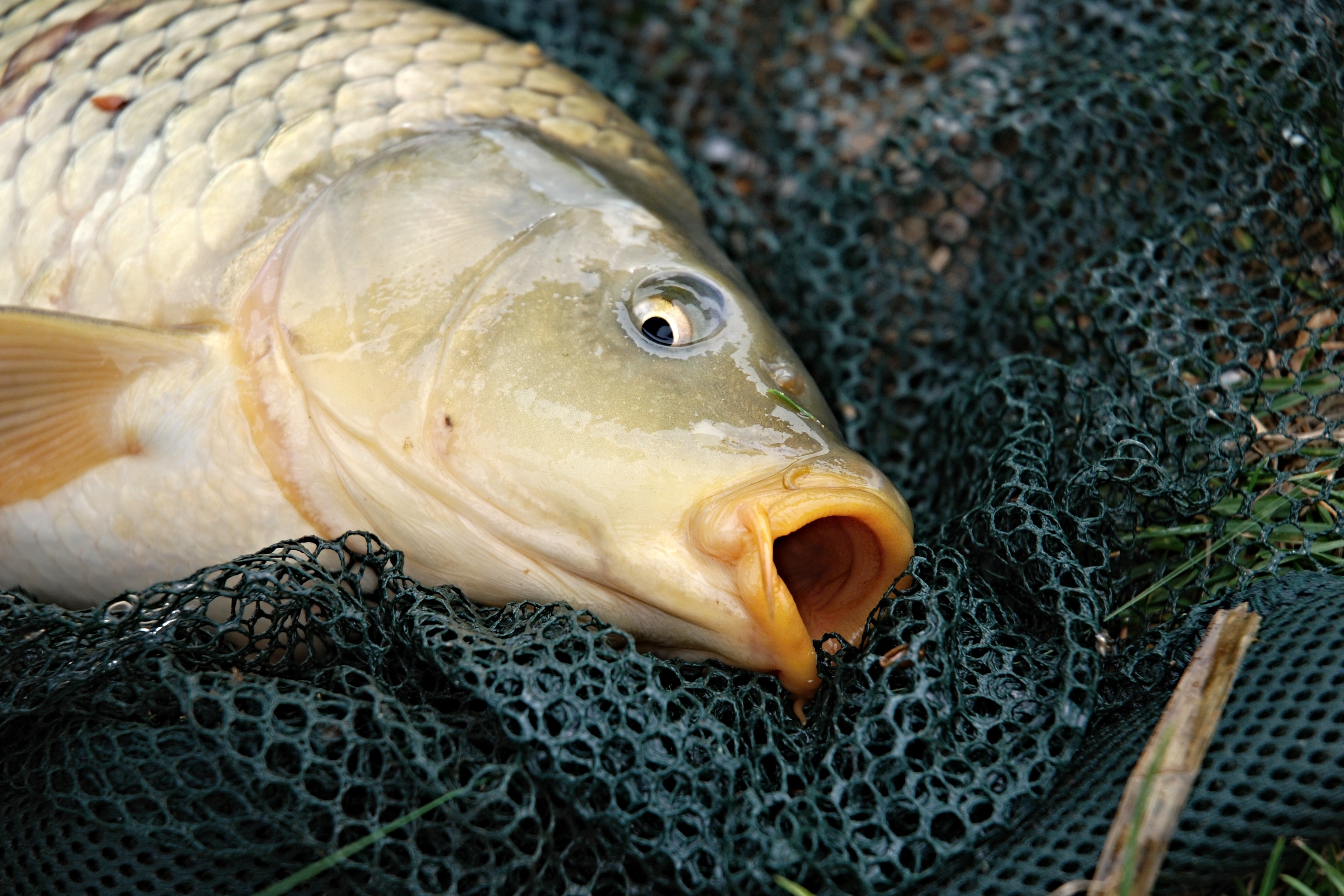
Carp anglers have always been known for developing new ideas, baits, and feeding strategies. While boilies still play a significant role, 2026 shows a clear trend towards more natural food sources, fermented baits, and intelligent feeding concepts. To be successful, one should know the current developments and apply them specifically.
Trend 1: Fermented Particles Make a Comeback
One of the most exciting trends of recent years is the increasing use of fermented particles. Tiger nuts, corn, hemp, wheat, or chickpeas are specifically fermented to release natural acids, amino acids, and intense feeding stimulants.
Especially in heavily fished waters, carp seem to react significantly less suspiciously to these natural food signals than to heavily flavored standard boilies.
Particularly popular are:
Fermented corn
Fermented tiger nuts
Hemp mixes with slight lactic acid fermentation
Particle mixtures with CSL (Corn Steep Liquor)
Many successful carp anglers report that fermented particles deliver exceptionally good results, especially in spring and autumn.
Trend 2: Food Signals Instead of Artificial Flavors
While bright colors and intense fruit flavors used to dominate, more and more anglers are now focusing on "food signals." The goal is less to attract carp with a strong smell, but rather to signal high-quality food.
Particularly in demand are:
Fish hydrolysates
Liver extracts
Fermented liquid additives
Amino acid liquids
Fish sauces
Krill and mussel extracts
These additives create a natural food trail underwater that often keeps carp in the feeding area significantly longer than pure flavor concepts.
Trend 3: Less Is More
Another trend is: feed more precisely rather than more.
Many successful carp anglers significantly reduce their feeding quantity and instead focus on small, highly attractive spots.
Especially in waters with high fishing pressure, it has been shown that:
Small feeding spots often appear more natural.
Carp feed more cautiously and selectively.
Overfeeding can reduce bite frequency.
Instead of spreading 10 kilograms of boilies, many anglers opt for a few handfuls of high-quality particles, pellets, and boilie crumbs.
Trend 4: Hybrid Spod Mixes
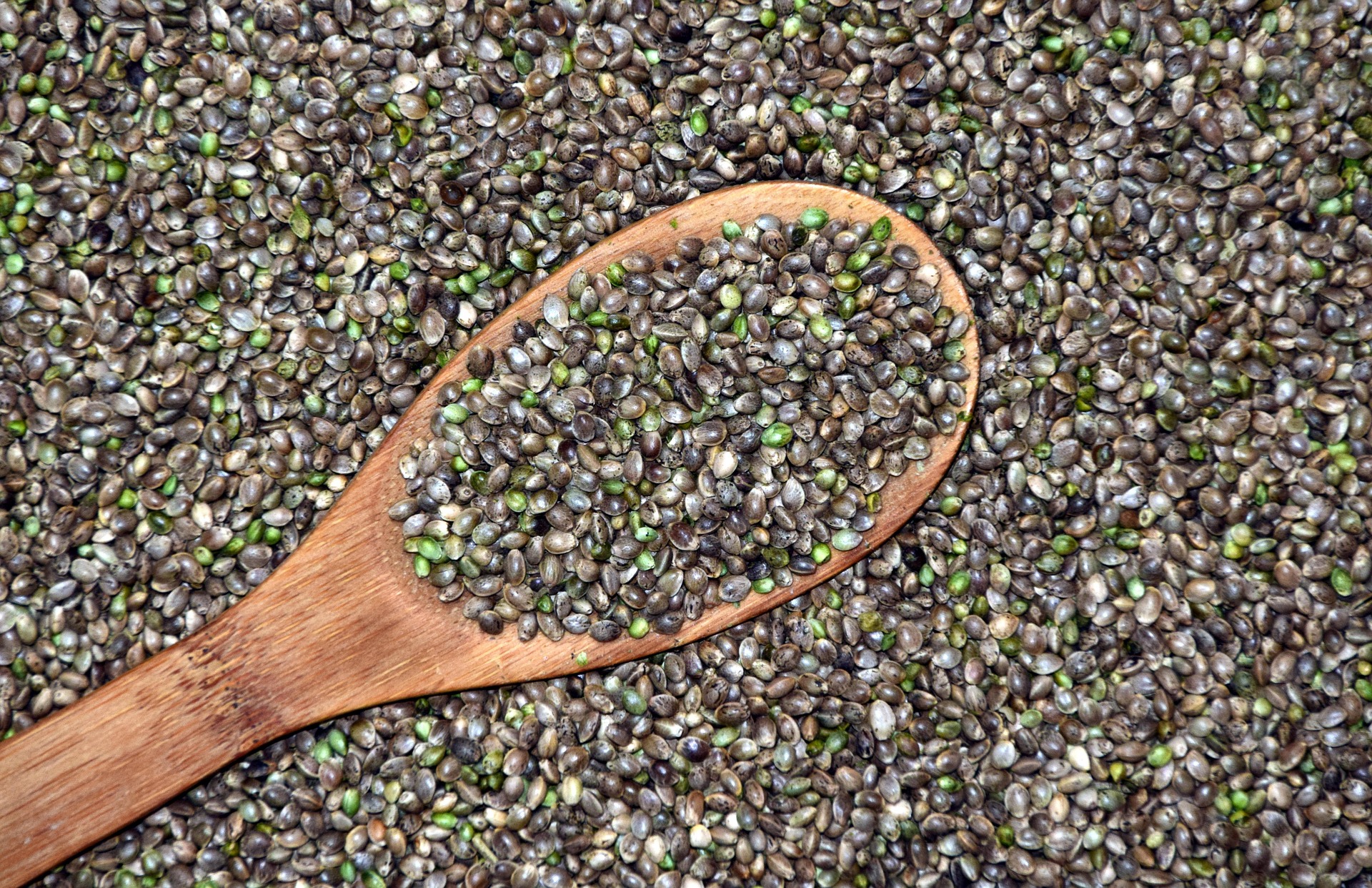
The classic "boilie-only" feeding spots are increasingly being replaced by so-called hybrid mixes.
A modern spod mix often consists of:
Hemp
Corn
Tiger nuts
Micro pellets
Boilie crumb
Liquid attractors
The advantage:
The different particle sizes ensure that carp remain occupied in the spot longer and search more intensely for food. Especially during longer sessions, this can make the difference between a single bite and a successful series of catches.
Trend 5: Pop-ups Are Used More Purposefully
Pop-ups are still standard equipment for many carp anglers. However, they are now used much more strategically.
Currently particularly successful:
Yellow pop-ups
Pink pop-ups
Wafter presentations
Snowman rigs
Many anglers combine a striking hookbait with an otherwise very natural feeding spot. This creates a bait that stands out from the crowd without appearing unnatural.
Trend 6: Natural Baits Are Gaining Importance Again
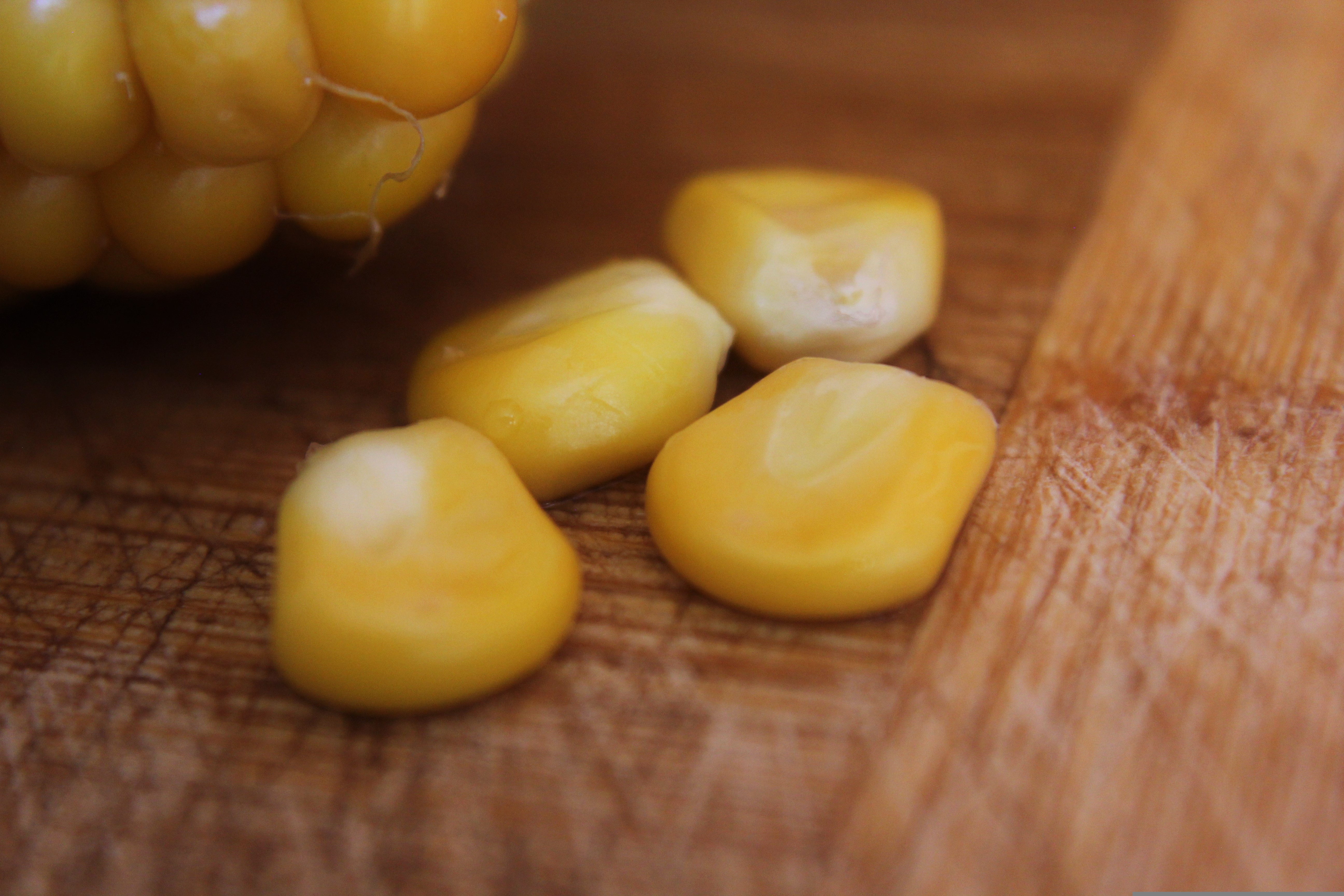
In times of increasingly complex bait systems, many carp anglers are rediscovering the effectiveness of classic natural baits.
Particularly successful are:
Corn
Worms
Maggots
Tiger nuts
Mussel meat
In waters where almost every angler uses boilies, such baits can offer a decisive advantage.
Trend 7: Seasonal Adaptation Becomes More Important
Modern carp anglers adapt their bait choice much more to the water temperature.
Spring (8–15 °C)
Small amounts of hemp
Corn
Tiger nuts
Light particle mixes
Summer (20–25 °C)
Larger feeding spots
Pellets
Boilies
Particle mixes
Autumn (10–16 °C)
Fermented particles
Fishmeal boilies
High-quality liquids
Winter
Very sparse feeding
Single baits
Small wafters
Few particles
The correct seasonal adaptation is often more important than choosing a specific boilie flavor.
Conclusion
The biggest trend in carp fishing 2026 is: naturalness.
Instead of developing increasingly conspicuous baits, successful carp anglers are increasingly relying on natural food signals, fermented particles, and intelligent feeding strategies. High-quality ingredients, precise feeding spots, and a good understanding of the water are gaining more and more importance over pure marketing promises.
Anyone who integrates these developments into their own fishing will find that often it is not the most expensive bait that makes the difference – but the right combination of feed, presentation, and knowledge of the water.
Comments
No comments yet. Be the first!
Sign in to leave a comment.