The Felchen / Reinanke – The Silver Treasure of Our Lakes

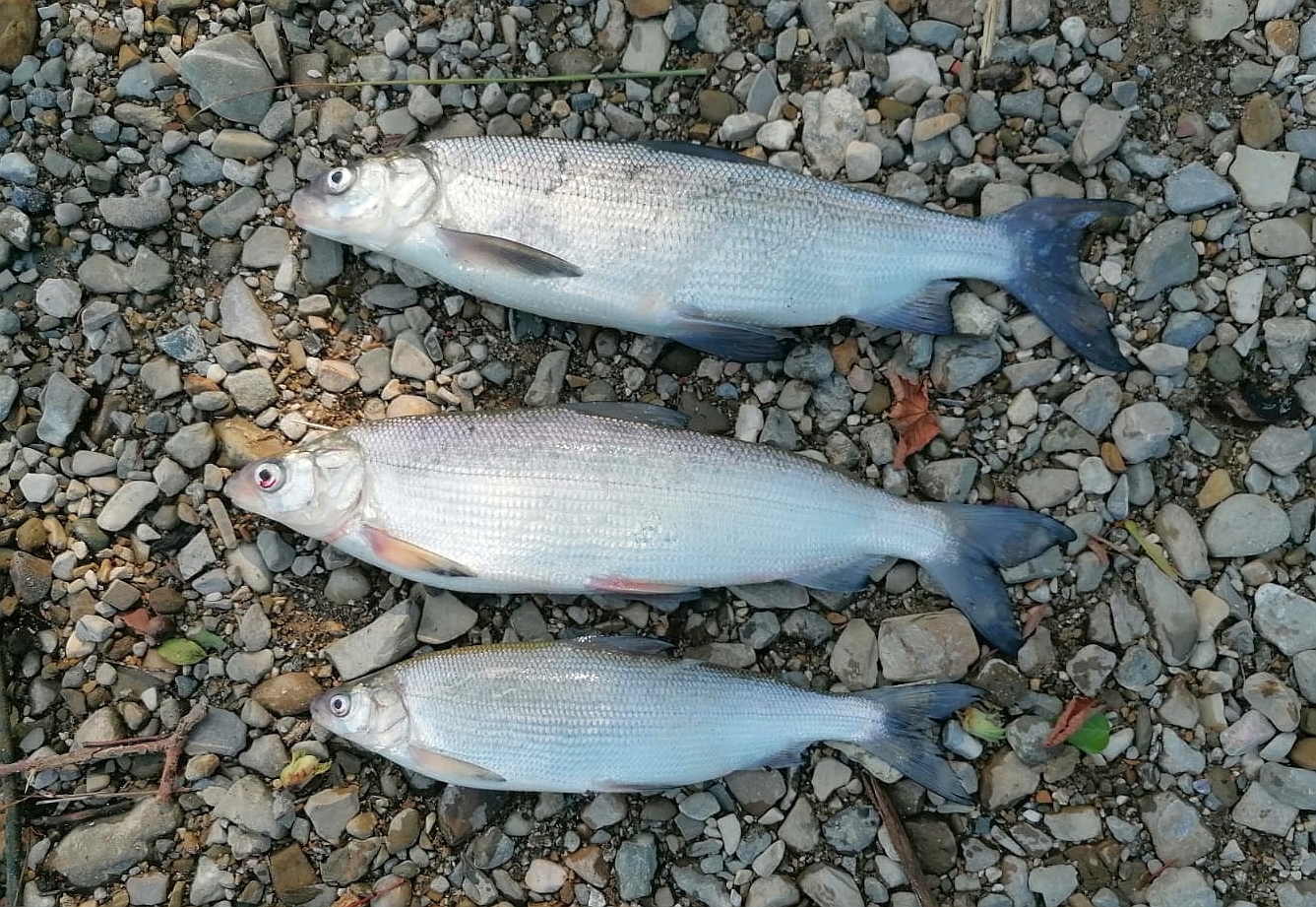
Hardly any fish combines elegance, sporting challenge, and culinary quality as much as the Felchen. For many anglers, it is a true insider tip: cautious to bite, exciting to fish for, and at the same time one of Europe's best table fish. Especially in fishing competitions on alpine and pre-alpine lakes, the Reinanke plays an increasingly important role. Anyone who wants to successfully fish for this special fish should know its way of life, its origin, and the appropriate fishing techniques.
Felchen, Reinanke, or Maräne – why are there so many names?
The different names often cause confusion, but usually refer to very similar or closely related fish species from the Salmonidae family. Depending on the region, the fish bears different names:
Felchen – mainly common in Switzerland
Reinanke or Renke – mainly used in Bavaria and Austria
Maräne – more common in northern Germany
Biologically, these fish belong to the genus Coregonus. The exact species identification is often difficult, as many populations have developed regionally over millennia and are outwardly very similar. Nevertheless, almost all Felchen species have typical characteristics:
a silvery shimmering body
a small, subterminal mouth
a preference for cold and oxygen-rich waters
particularly fine, white meat
Precisely this combination makes the Reinanke so popular with both anglers and in the kitchen.
Origin and Distribution
The Felchen originally comes from the cold lakes of the Northern Hemisphere. After the last ice age, various Coregonus species spread across large parts of Europe and developed into stable populations, especially in the Alpine regions. Especially in Austria, Southern Germany, Switzerland, and Scandinavia, the Reinanke has been an important fish for both professional fishermen and anglers for centuries.
Today, they are mainly found in deep, clear lakes with high oxygen content. Among the best-known Felchen waters are:
Lake Constance
Lake Chiemsee
Lake Attersee
Lake Traunsee
Lake Wolfgangsee
Lake Geneva
numerous Swiss Alpine lakes
Depending on the season, the fish inhabit different depths. While they are often found in open water over great depths in summer, they are often much shallower in spring and autumn.
Behavior and Way of Life
Felchen usually live in schools and feed predominantly on zooplankton, small crustaceans, insect larvae, and occasionally small fish. Therefore, they are considered very sensitive and cautious fish. It is precisely this subtle and often barely perceptible bite phase that makes fishing for Reinanke so exciting and challenging.
Especially competitive anglers appreciate the challenge, as often experience, precise lure presentation, and the right depth search determine success or failure.
The Most Popular Techniques for Felchen Fishing
The most well-known method is fishing with the so-called Hegene. This is a leader system with several small nymphs or artificial larvae that are presented vertically under the boat. Through subtle movements of the rod tip, the lures are animated to appear lively and imitate the natural food of the Felchen very realistically.
The correct depth is particularly important. Modern echo sounders help enormously in finding the schools that are often free-swimming in the water. Especially in summer, Reinanke frequently inhabit depths between ten and thirty meters, which is why precise vertical fishing plays a major role.
Trolling can also be very successful on some lakes. Small spinners, mini-wobblers, or light natural bait systems are presented in mid-water and can specifically stimulate active fish.
The Best Baits for Reinanke
Most commonly, small nymphs and special Hegene baits are used for Felchen fishing. Especially colors like red, black, white, or mother-of-pearl have proven successful over many years. Often, the smallest differences in size or coloring decide the fishing success.
In some waters, natural baits also work excellently. Small maggots, midge larvae, or fine worms can make the crucial difference, especially with cautious fish. If Reinanke are actively hunting small fish, small artificial lures like mini-jigs or micro-spinners are also extremely effective.
Fine Tackle for Fine Bites
Sensitive tackle is particularly important when fishing for Felchen. Usually, very light rods with fine tips, thin lines, and small hooks are used. Since bites are often only perceptible as a slight tremor or cautious movement, finely tuned equipment is crucial.
Experienced anglers, in particular, know that precision and feel are often more important than power when fishing for Reinanke.
A First-Class Table Fish
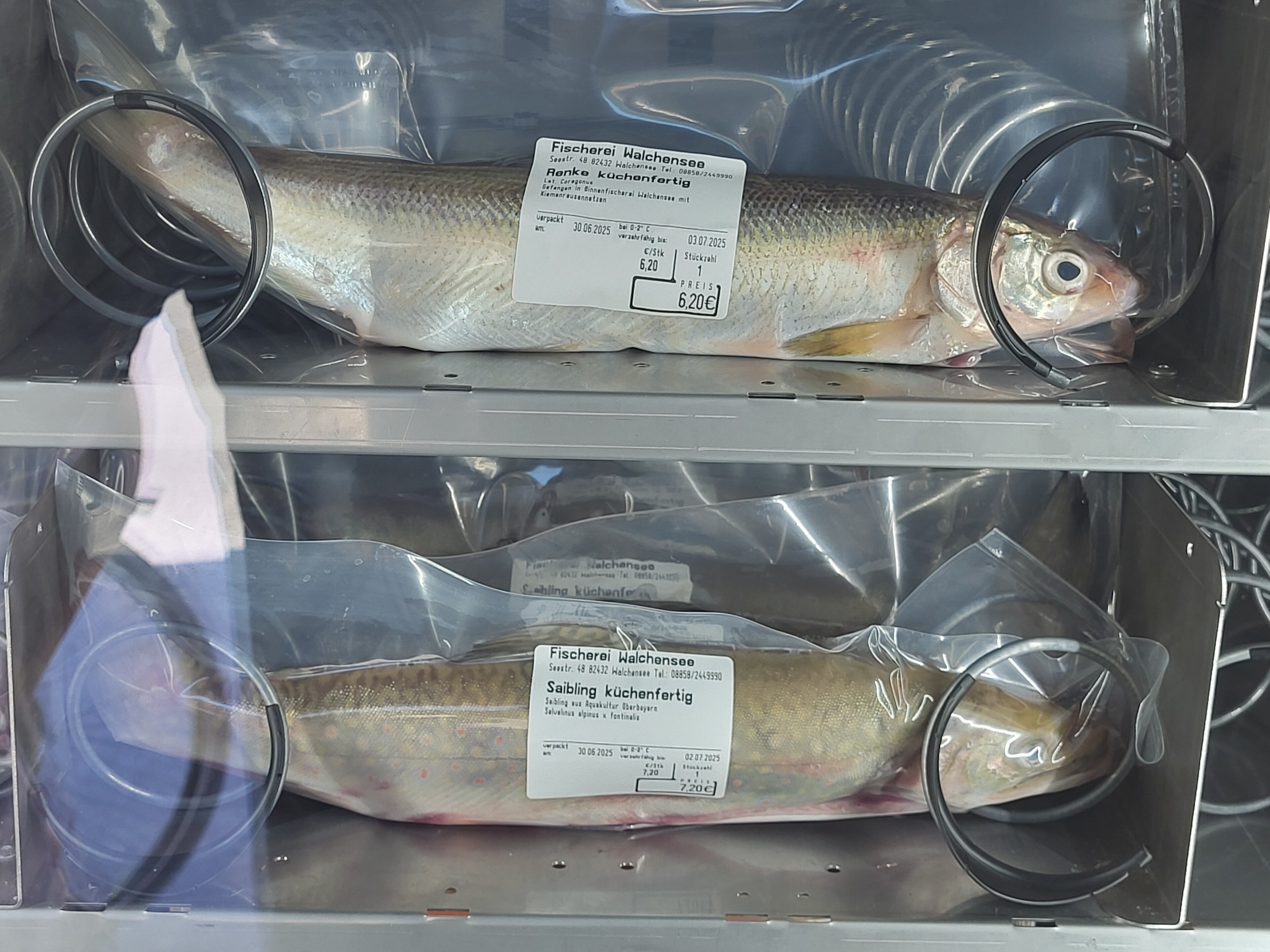
Renke | Benreis | CC-BY-SA 4.0
In addition to their sporting appeal, Felchen are also considered one of Europe's best freshwater fish. Their meat is white, tender, and has a particularly fine taste. Whether smoked, pan-fried, grilled, or prepared classically "Müllerin Art" – the Reinanke impresses with its high quality and versatile cuisine.
It is not without reason that it is one of the most popular table fish in many regions and is highly valued in both upscale gastronomy and by anglers.
Conclusion
The Felchen, or Reinanke, is much more than just another lake fish. It demands patience, concentration, and a fine sense of depth and lure presentation. However, precisely this challenge is what makes it so fascinating for many anglers.
Those who intensively study its behavior and master the right technique will not only experience exciting fights but will also be able to enjoy an excellent table fish in the end.
Comments(7)

I never realized Felchen were so picky about depth very helpful tips!

Important info on their habitat makes me want to fish responsibly.

Great guide! The Hegene fishing techniques are exactly what I needed.

As a beginner, this blog makes alpine fishing much less confusing.

Love the gear tips! My rods and bait setup just got a serious upgrade.

Now I understand why Reinanke taste so amazing definitely trying it!!
I understand deeply now, and less confusing different names from different regions. Great blog!!
Sign in to leave a comment.